
September 24, 2025
Cold-formed steel buildings, from recycling to disaster resistance
EBS Global works with cold-formed steel in applications that range from disaster-resilient housing to green buildings.
Environmental benefits of cold-formed steel
Cold-formed steel beams and channels are made from steel that is 100% recyclable. At the end of a building's life the material can be reused without loss of quality. Compared with concrete and timber, that means less landfill waste and less need for virgin resources.
Manufacturing cold-formed steel is energy-efficient and produces fewer emissions than other structural materials. It is light, so it costs less and takes less energy to transport, which matters on large projects in places like Canada, where environmental regulations are strict.
A longer building lifespan
Cold-formed steel buildings are designed to last longer than buildings made with traditional materials. A longer life means lower maintenance costs and fewer renovations or rebuilds.
- Resistance to corrosion and pests. Unlike wood, cold-formed steel is immune to termite damage, rot and mold, which matters in humid or pest-prone areas. Treated steel resists rust and corrosion, so the building stays structurally sound for decades.
- High strength-to-weight ratio. Cold-formed steel is strong and light. It puts less stress on foundations, including on difficult sites.
What EBS Global makes
Our facilities produce cold-formed steel channels, beams and other components that are uniform, accurate and compatible with one another, so they fit into different construction projects.
We also make prefabricated cold-formed steel building components, which cuts on-site labour and material waste. Producing them in a controlled environment gives consistent quality and a shorter schedule.
Disaster-resilient housing
As climate change intensifies, the need for disaster-resilient housing grows. Cold-formed steel buildings are well suited to extreme weather and natural disasters.
- Seismic and wind resistance. Cold-formed steel is flexible and strong, so it can absorb and dissipate seismic forces without losing structural integrity. It also resists high wind loads, which is why it is used in hurricane zones.
- Fire resistance. Steel is non-combustible, which protects occupants and property in fire-prone areas.
Meeting green building standards
Steel's properties, from energy efficiency to material sourcing, line up with the requirements of green certification programs like LEED.
Cold-formed steel framing can be paired with insulated panels to improve a building's thermal performance, which lowers heating and cooling demand. In Canada, where sustainability regulations keep tightening, that helps developers comply. EBS Global designs its systems to align with local and international green building standards.
More news
March 20, 2025
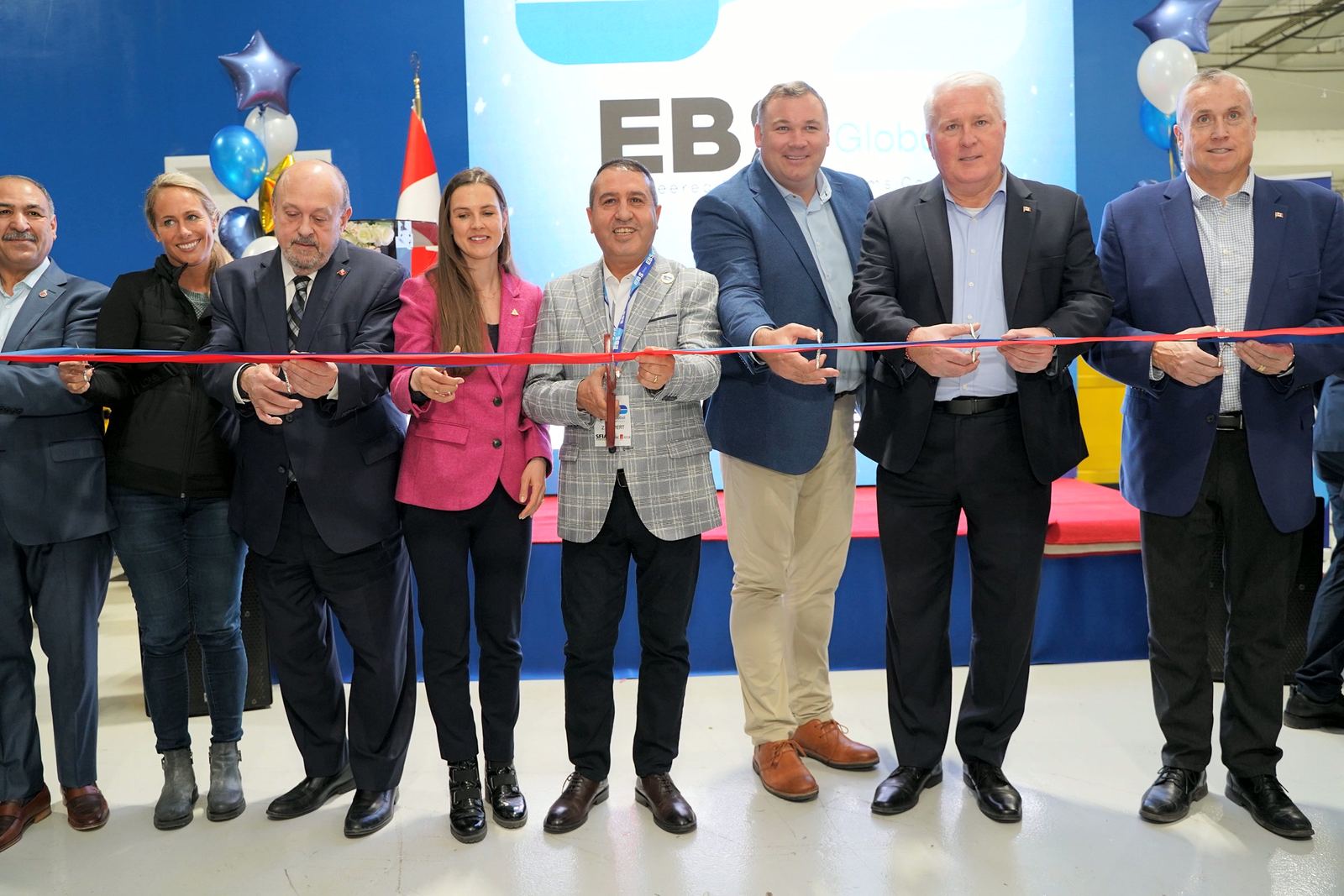
EBS Global opens its Barrie plant
Press & Events
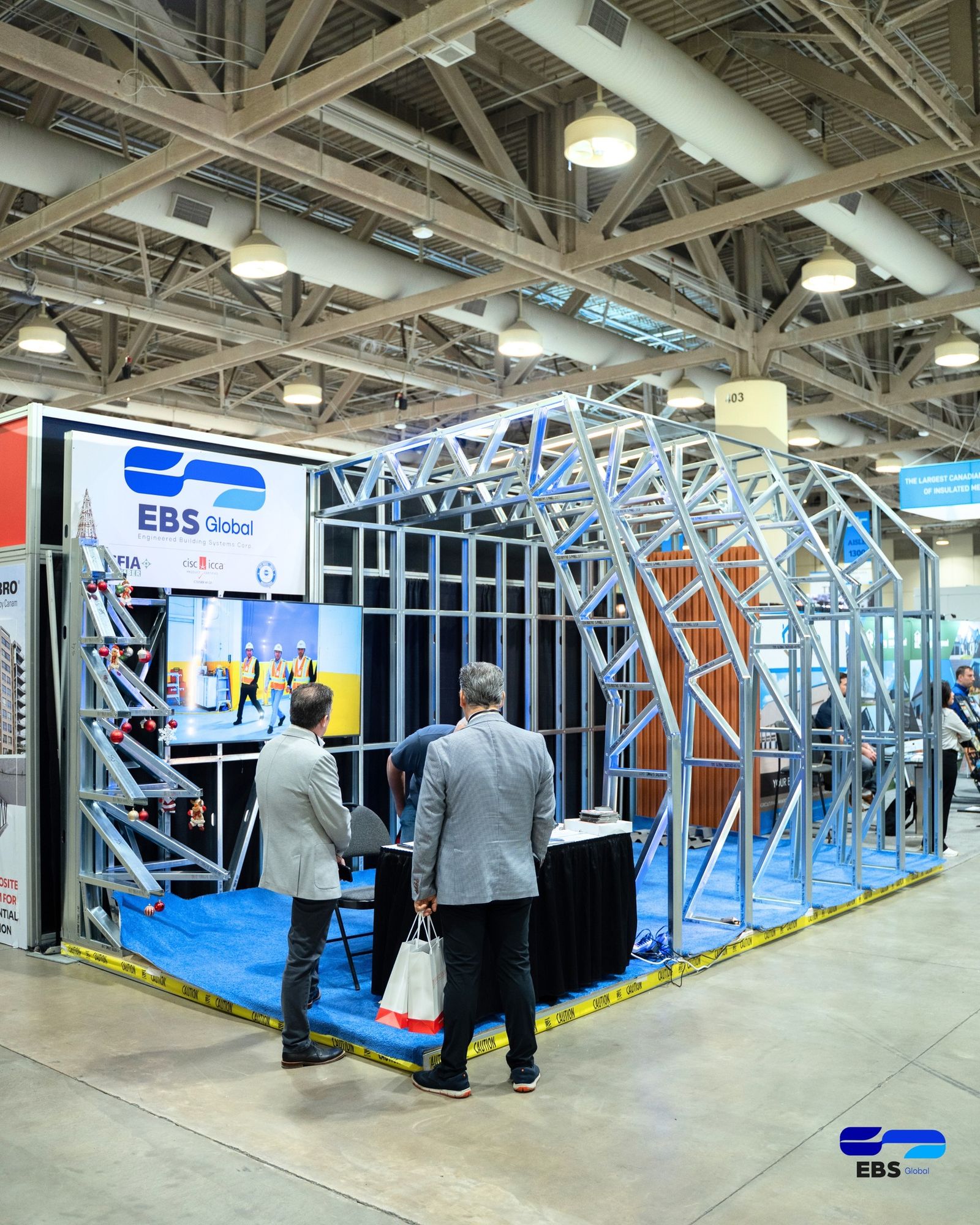
Three days at The Buildings Show 2025
Press & Events
CISC Lunch and Learn at EBS Global
Need help? Call us today (647) 812-0253
Send drawings or a short description and we will prepare a quote.