
September 24, 2025
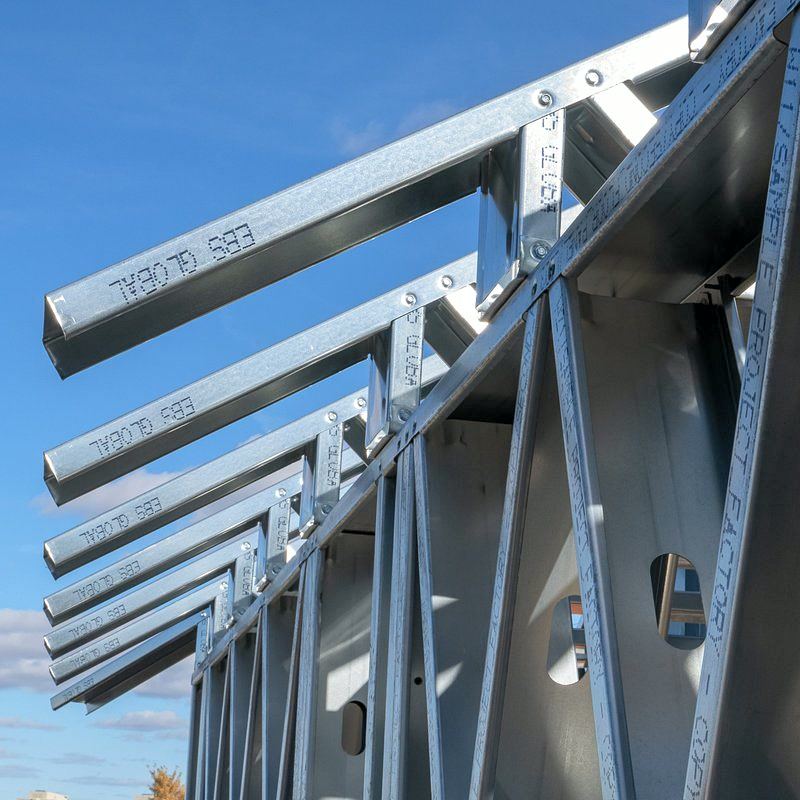
Off-site construction and the housing crisis
Off-site construction means prefabricating building components, or whole structures, in a controlled environment, then transporting them to the site and assembling them there. It is faster than building on site and costs less.
Why it works
- Faster timelines. Components are built while the site is being prepared, so the overall schedule is much shorter.
- Less dependence on labour. Work moves into a factory, where automation and robotics do part of it, which eases labour shortages.
- Higher quality. A controlled factory environment gives more consistent results.
- Lower project costs. A faster build, lower labour costs and less disruption on site add up to a lower total cost.
The initial investment in off-site construction may be higher, but the overall cost is lower. It also depends less on skilled labour, which is a bottleneck in regions with shortages.
Speed matters in a housing crisis
Solving the housing crisis means building faster. That takes new construction technology and less red tape. 3D printing, modular construction and robotics can all speed up building without lowering quality.
Van Horne and EBS Global work with other firms in the field on new construction methods.
The Construction Innovation Solutions Lab (CISLab) is where these technologies are gathered and developed. It combines international advances with Canadian expertise to fit conditions here. The lab is also open to others: we invite industry institutions to use it, share what they know and help develop new technologies.
More news


March 20, 2025
EBS Global opens its Barrie plant
Press & Events
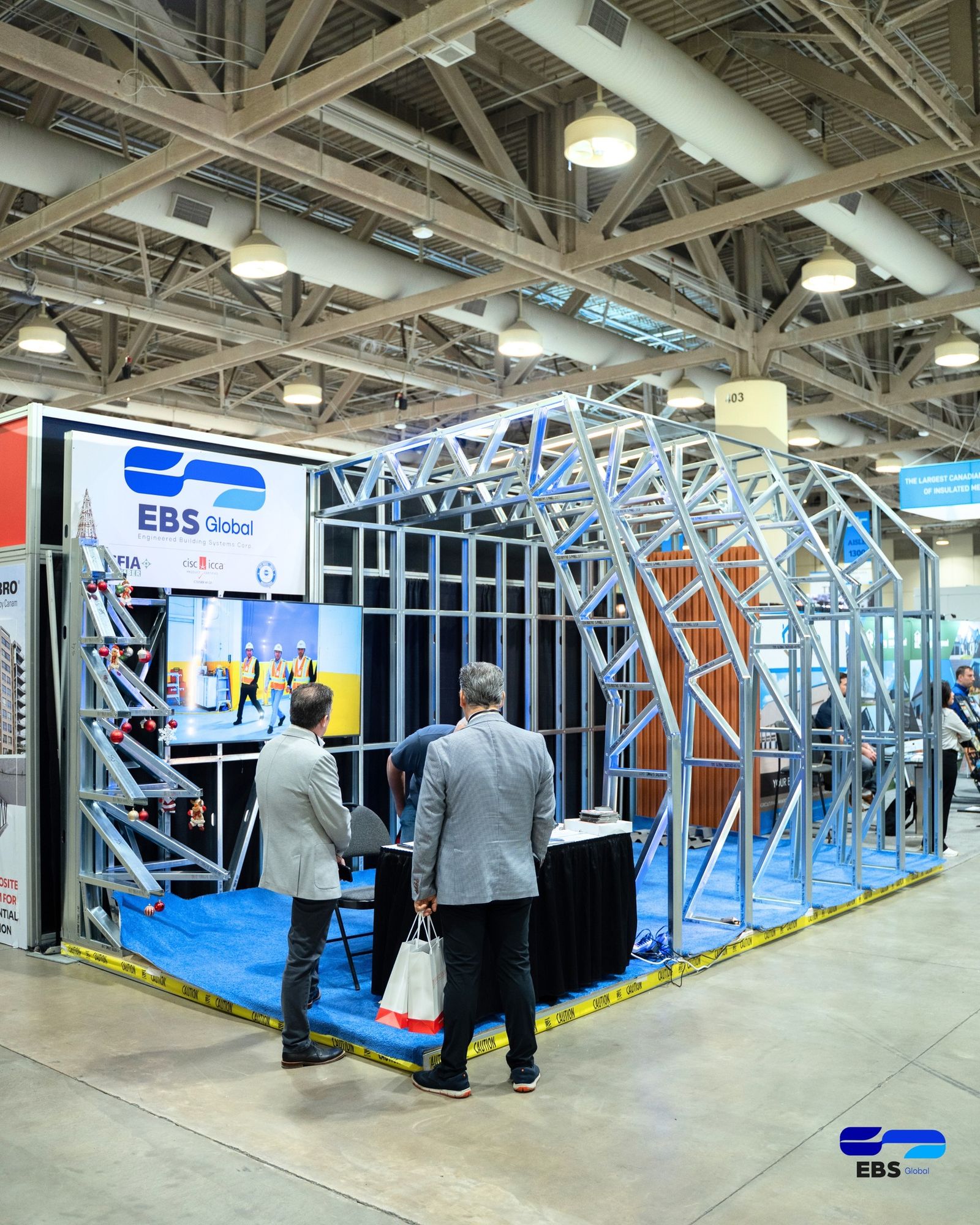
Three days at The Buildings Show 2025
Press & Events
CISC Lunch and Learn at EBS Global
Need help? Call us today (647) 812-0253
Send drawings or a short description and we will prepare a quote.