
September 24, 2025
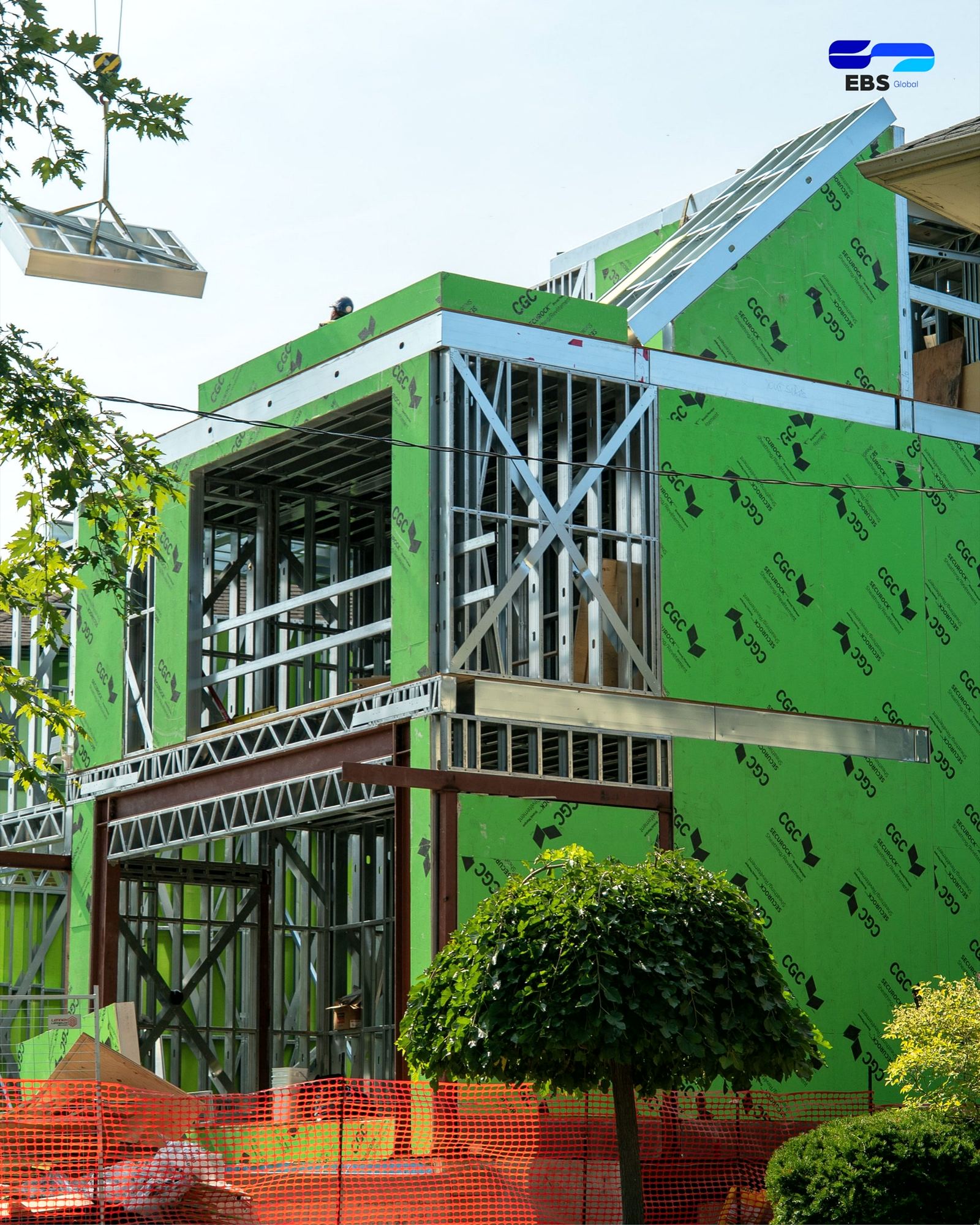
Cold-formed steel framing in off-site construction
For the last 50 years the main construction materials have been the same three: wood, concrete and steel. Wood is affordable and quick to work with. Concrete is strong. Cold-formed steel (CFS) has its own advantages, especially in light gauge steel framing.
CFS is light, which lowers transport emissions. It can be taken apart and reused in a new project, and at the end of its life it can be recycled without losing quality.
Steel does not degrade when it is recycled, so the steel you buy is already a recycled product. For example, framing a 2,000 square-foot home in wood can take 40 to 50 trees. Framing the same home in CFS takes the recycled steel from about four cars.
CFS is about half the weight of wood, so the foundation can be lighter. In off-site construction, lighter panels mean more fits on each truck, which lowers cost and emissions. A lighter building also attracts smaller earthquake forces, so it performs better in seismic areas.
Why builders are switching
- Durable. A galvanized coating resists moisture and humidity.
- Non-combustible. CFS does not add fuel to a fire. Wood does. Many cities have started updating their building codes to reflect that.
- Lower insurance. Studies show insurance premiums for CFS buildings can be 25 to 75 percent lower than for wood-framed buildings.
- Easy to source. Steel framing is available from many roll-forming manufacturers.
Treated wood is still vulnerable to fire. Steel stays non-combustible. Steel is also pest-proof, which means less maintenance over the life of the building.
EBS Global manufactures prefabricated cold-formed steel panel systems.
More news
March 20, 2025
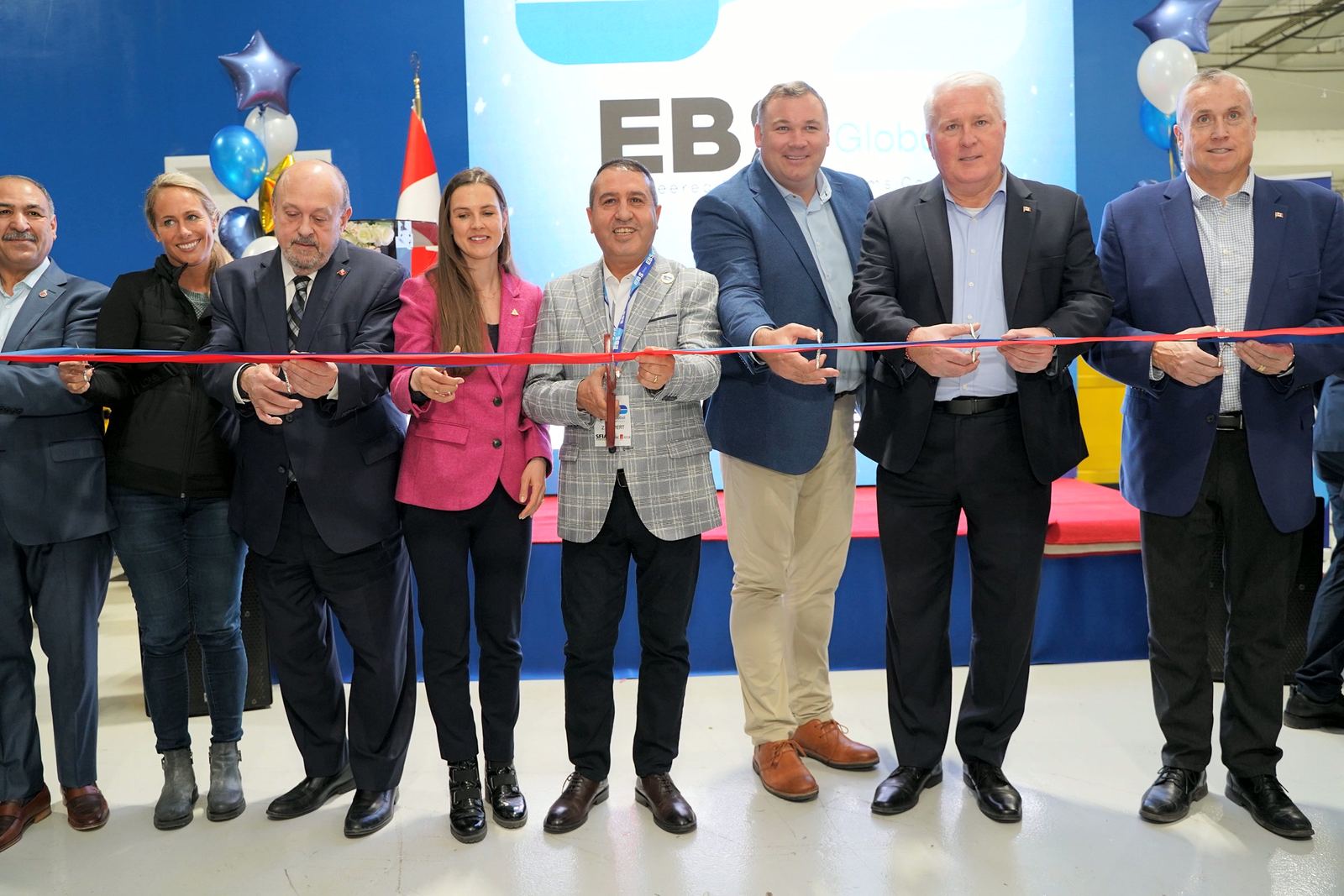
EBS Global opens its Barrie plant
Press & Events
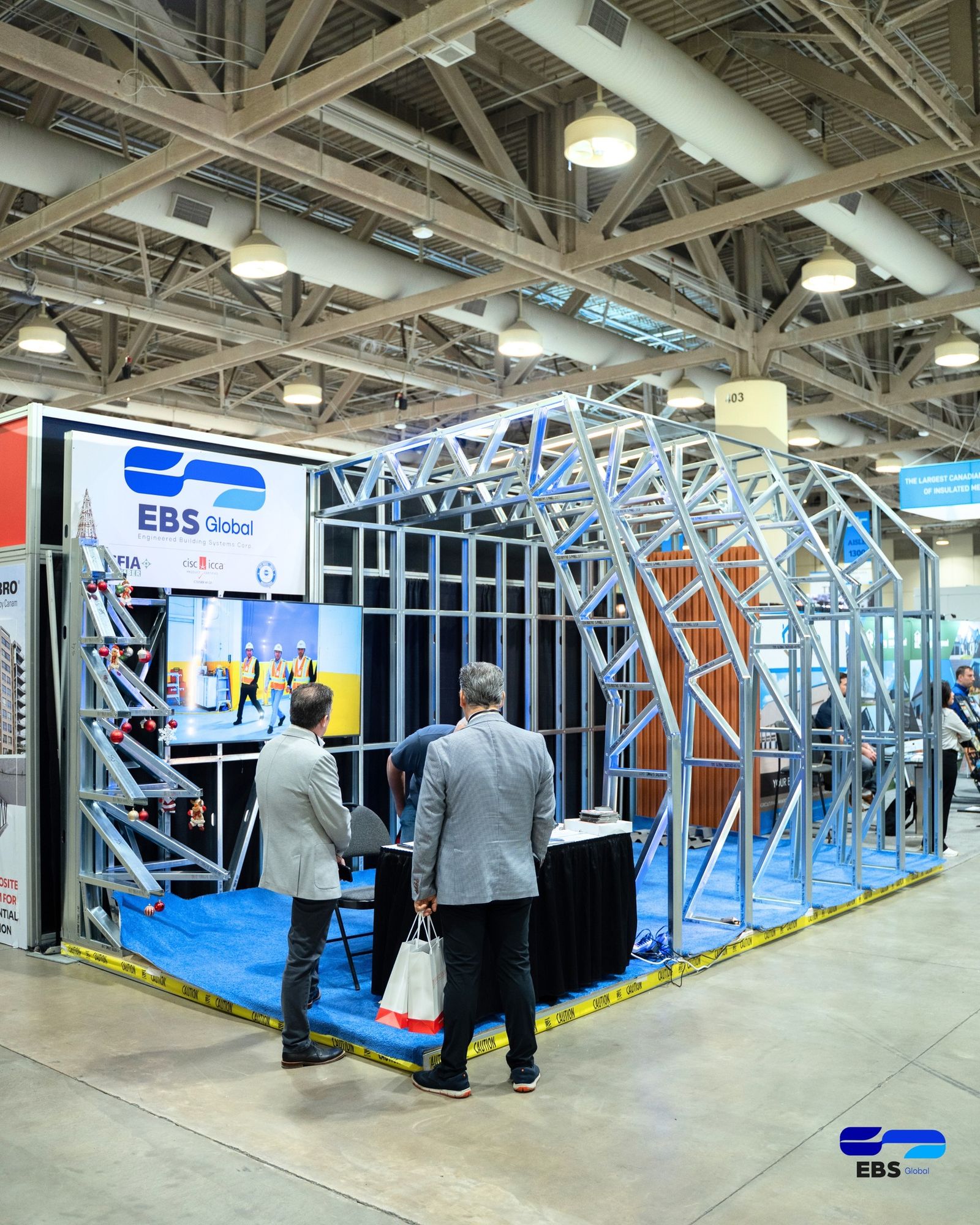
Three days at The Buildings Show 2025
Press & Events
CISC Lunch and Learn at EBS Global
Need help? Call us today (647) 812-0253
Send drawings or a short description and we will prepare a quote.