
September 24, 2025
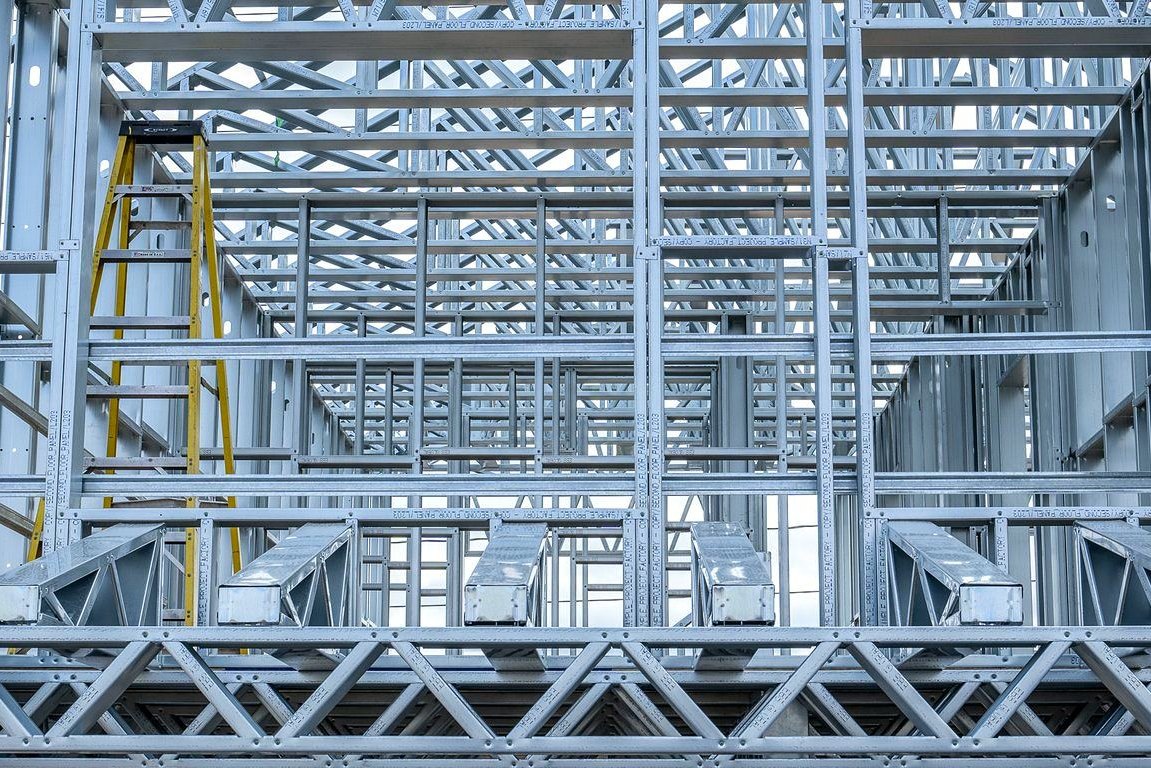
How cold-formed steel structures behave in an earthquake
Engineered Building Systems Global (EBS Global) was founded in 2008 in Dubai and expanded to Barrie, Ontario, in 2024. The company manufactures prefabricated cold-formed steel panel wall systems and other metal products, including metal siding, roof sheets, decks and studs.
An earthquake-resistant structure has to absorb and dissipate seismic energy. Cold-formed steel structures are flexible and ductile: they bend without breaking. The steel frame can sway with the ground movement, which lowers the risk of structural failure where that movement is severe and hard to predict.
Cold-formed steel is strong for its weight. Seismic forces are directly proportional to the mass of the building, so a lighter structure is loaded less.
- Even load distribution. EBS Global's cold-formed steel structures are designed to spread loads through the structure, so no single point is overstressed during an earthquake.
- Flexible, secure connections. Connections between structural elements decide how a building behaves in an earthquake. EBS Global's prefabricated steel systems use flexible, secure connections that absorb and dissipate seismic energy.
- Lower inertial forces. Inertial forces in an earthquake depend on the mass of the building, and a cold-formed steel structure is light.
EBS Global prefabricates. Structural components are produced in a factory and assembled on site, which brings factory accuracy and quality control to the project.
This matters most in regions prone to earthquakes, hurricanes and floods.
More news
March 20, 2025
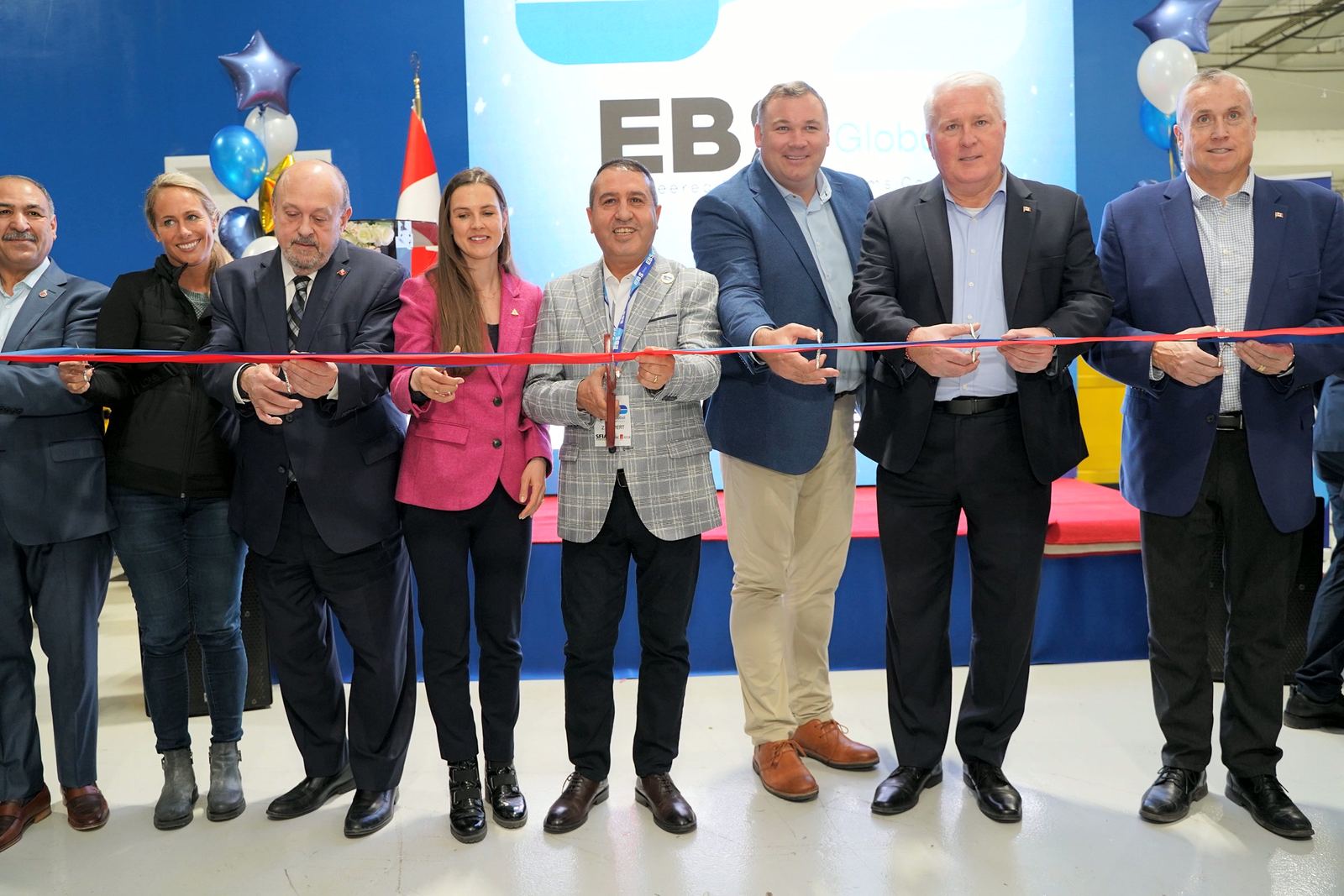
EBS Global opens its Barrie plant
Press & Events
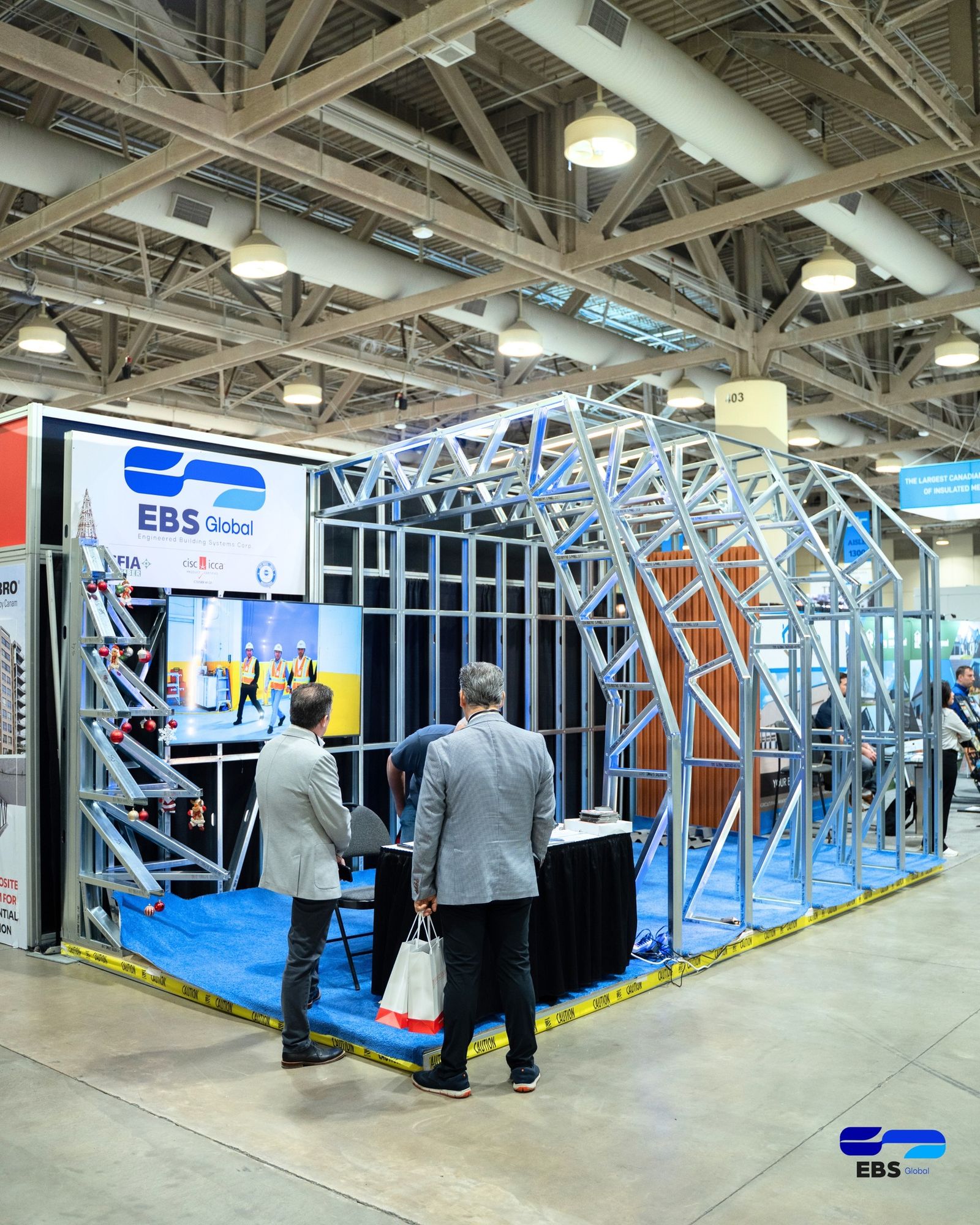
Three days at The Buildings Show 2025
Press & Events
CISC Lunch and Learn at EBS Global
Need help? Call us today (647) 812-0253
Send drawings or a short description and we will prepare a quote.