
September 24, 2025
Climate and disaster resilient buildings for urban housing
Canada is expected to face more climate-related hazards: warmer temperatures, intense droughts, earthquakes, more frequent wildfires and rising sea levels. They threaten infrastructure, the economy and public health. The best response is to prepare early, and housing is one of the sectors where that matters most.
Preparing means building capacity and being ready for climate emergencies. Housing that stands up to natural disasters and uses less energy is safer and healthier to live in.
Why structure matters to first responders
Disaster housing has to follow guidelines such as the Canadian Home Builders' Association codes, the National Building Code of Canada, and safety protocols like "Safeguard First Responders". One rule runs through all of them: first responders are not allowed to enter a building that poses a significant safety risk.
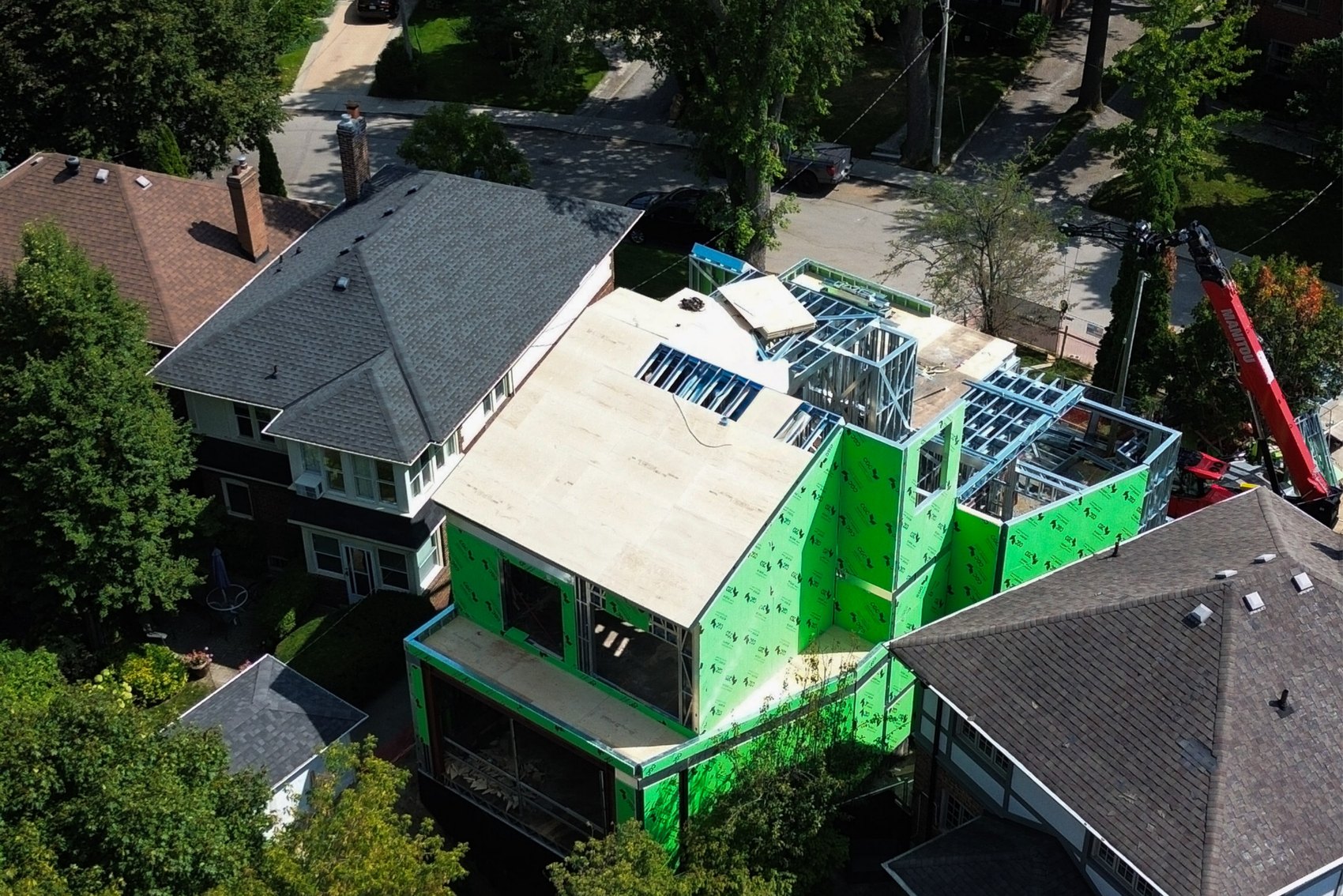
That makes wood-framed houses vulnerable. Their structure can deteriorate quickly in a fire, to the point where it is too dangerous for firefighters to go in. A metal-framed house is a lower risk. Its structure is more likely to survive the first stage of a fire, which gives first responders safer access to bring it under control.
A fire that can be fought from inside is contained sooner, with less damage and loss.
EBS Global is looking at how to build climate resiliency into urban housing, together with service providers and communities. The work runs in two directions: housing that is resilient in the first place, and fast recovery and rebuilding after a disaster.
What the experts say
The experts we spoke with named two main obstacles to climate resilience work: not enough funding and limited capacity. Many respondents had not yet carried out a risk assessment for their organization or properties, and their emergency preparedness was still underdeveloped.
Respondents said success depends on partnerships with local governments, access to emergency planning training, and funding for emergency planning. A recurring problem is the gap between policy and execution, especially when new legislation comes in. Government agencies do not share standardized guidelines, so coordination is difficult.
Four practical steps came up again and again.
- Understanding risk. Start by gathering data on infrastructure and vulnerabilities. That data is needed to make plans, apply for funding and argue for what the community needs.
- Developing emergency plans. A full emergency plan prepares an organization and its community for a disaster, which shortens recovery and limits the damage.
- Community building and engagement. Staff and tenants need to know their own role in an emergency. People who know what to do cooperate better.
- Funding reform. Experts want funding requirements simplified, so that organizations with limited capacity or expertise can take part whatever their size.
The policy picture
At the federal level, the Canadian government's quality of life framework, developed in 2020/2021, includes household emergency preparedness as an indicator under good governance. That suggests more emergency preparedness policy is coming. The Emergency and Disaster Management Act was tabled to replace the Emergency Program Act. It addresses three hurdles: facing climate emergencies, implementing the Sendai Framework, and aligning declarations with the new rules. It sets out cyclical emergency management requirements for preparedness, recovery and mitigation.
The new legislation spreads responsibility for emergency strategy across several actors who answer to a coordinated network. That can make it hard to hold any single authority responsible during an emergency. Many questions remain, and it will take time to see how well the legislation works.
Start with a risk assessment
All the experts we spoke with agree that risk assessment is the first step. A climate change specialist pointed out that it prepares you for the worst, because in a climate emergency data is the only basis for a calculated decision. A local government climate action and emergency program coordinator recommended that residents and housing providers assess every possible risk to the property. In her experience, an early assessment by the fire coordinator can also support funding applications.
Housing providers also need access to energy efficiency upgrades and other resiliency measures. Funders should make sure financial support reaches vulnerable populations and underserved communities, who are most at risk from climate-related threats.
More news


March 20, 2025
EBS Global opens its Barrie plant
Press & Events
Three days at The Buildings Show 2025

Press & Events
CISC Lunch and Learn at EBS Global

Need help? Call us today (647) 812-0253
Send drawings or a short description and we will prepare a quote.